
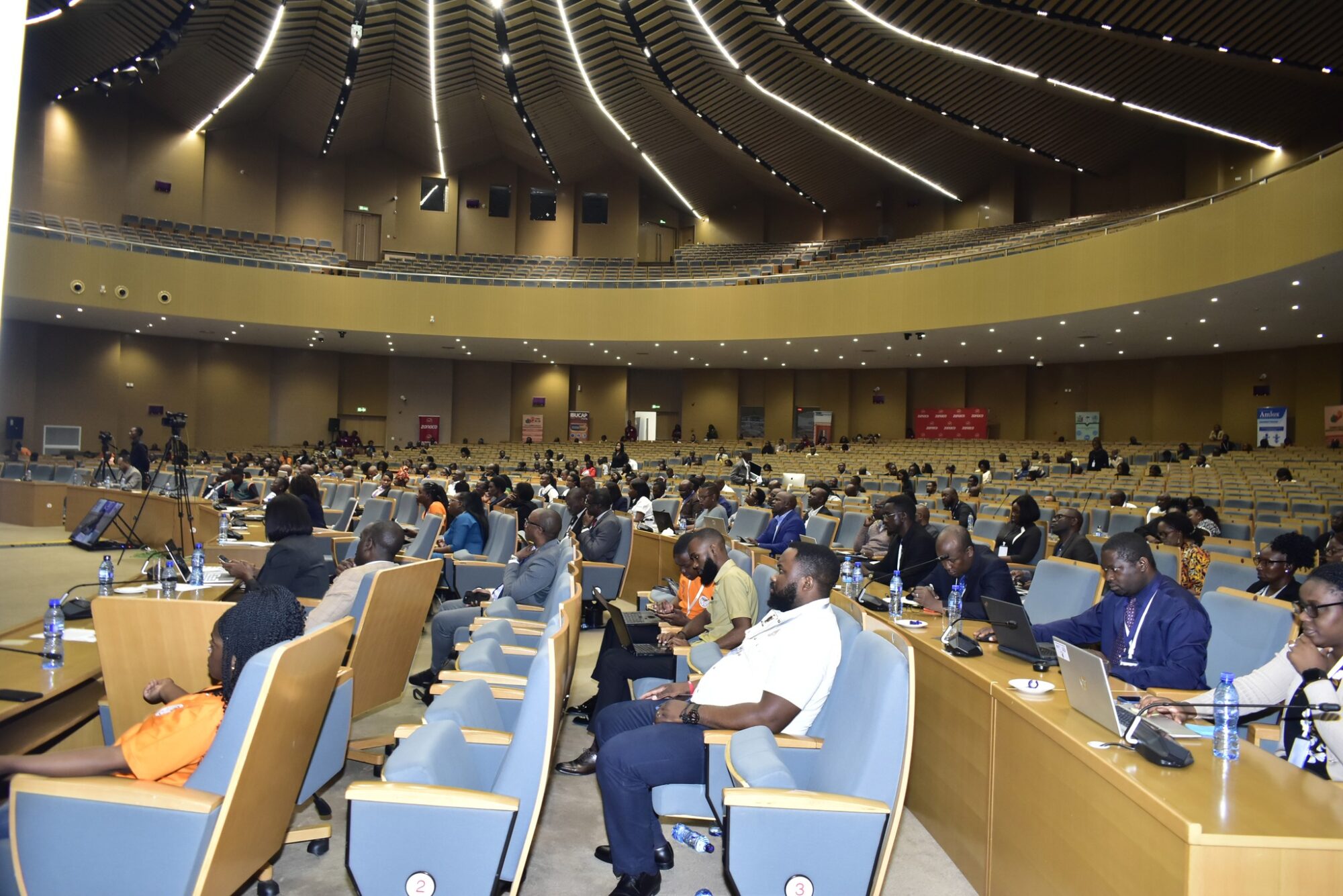

The Zambia-Canada Research partnership (ZCRP) has been active for about ten years. The group usually has two face-to-face meetings annually—one in Zambia when several Canadian team members are in the country, and the other in Canada at the time of the Canadian Conference on Global Health.
The long-term vision of the ZCRP is to improve the health of Zambians by strengthening the national health research system. This will be done by:
- Strengthening the health research capabilities of both Zambian and Canadian partners at the individual, institutional and system levels, and:
- Increasing the production and use of health knowledge (research) through Zambian-Canada research partnerships.
In addition to individual projects, we have memoranda-of-understanding (MOU’s) with two Zambian organizations:
National Health Research Authority (NHRA): The NHRA is the product of the Health Research Act of 2013, following a series of earlier consultations in which the Canadian Coalition for Global Health Research (CCGHR) was a key partner. More recently, the leadership of both organizations, recognizing that they shared values and goals, developed and signed an MOU that is now being operationalized. For more information about the NHRA, see: www.nhra.org.zm
Zambezi Ecohealth Partnership (ZEP) – an update: Among the diverse successes of the Zambia-Canada partnership, we are pleased to announce the registration of a new organization that harnesses the network of healthcare researchers and professionals who have been working together for the past six years. Now, in its third year of operations, in 2018 ZEP was formally registered to operate as a non-governmental initiative in Zambia by the Patents and Companies Registration Agency (PACRA).
The Zambezi Ecohealth Partnership (ZEP) draws on the six CCGHR principles (authentic partnering, inclusion, shared benefits, commitment to the future, responsiveness to causes of inequities, and humility) to provide a vehicle for collaborative work on the health system challenges of Western Province, Zambia. ZEP coordinates its work around six clusters. ZEP researchers and practitioners have two main goals:
- To provide evidence for addressing priority health and well-being problems of the lives of people in Western Zambia; and
- To strengthen the resilience of the health system and related sectors which have been further threatened by climate change.
Over the coming years, ZEP seeks to deepen partnership between healthcare researchers in Zambia and other parts of the world to develop health system solutions that are meaningful for all stakeholders.
For more information about ZEP, see zambezi-ecohealth.org
Contact
• Craig R. Janes: craig.janes@uwaterloo.ca
• Christine Imaobong Edet: christine.edet@uwaterloo.ca [for ZEP]
About Country Partnerships
The story of the Country Partnerships Program (CPP) goes back to the early days of the CCGHR (2003). This initiative was created as a means to support strengthening national health systems and environments, and as a harmonization tool in collaborating with countries of the Global South. Over the years, several “country-Canada” partnerships invested in long-term sustainable relationships that are responding to changing circumstances and evolving opportunities, drawing upon the global health research principles of authentic partnership, ethical engagement and commitment to the future.
Across different partnerships, colleagues report important benefits of the CPP, such as:
- Facilitating local and global networking opportunities;
- Harmonizing Canadian research efforts in a given country or jurisdictions;
- Linking within-country institutions and scholars who were not previously collaborating;
- Providing opportunities for Canadian scholars to engage with country scholars and institutions around topics of shared interest, including funding opportunities relevant for a specific country focus and problem;
- Creating a communication platform to share current research and academic opportunities;
- Providing a link to the University Advisory Council.
All these partnerships respect and acknowledge communication norms in partner countries, exploring new approaches in communication to ensure that all team members are included in dialogues and knowledge sharing. These innovative approaches support CAGH’s long-term vision.